
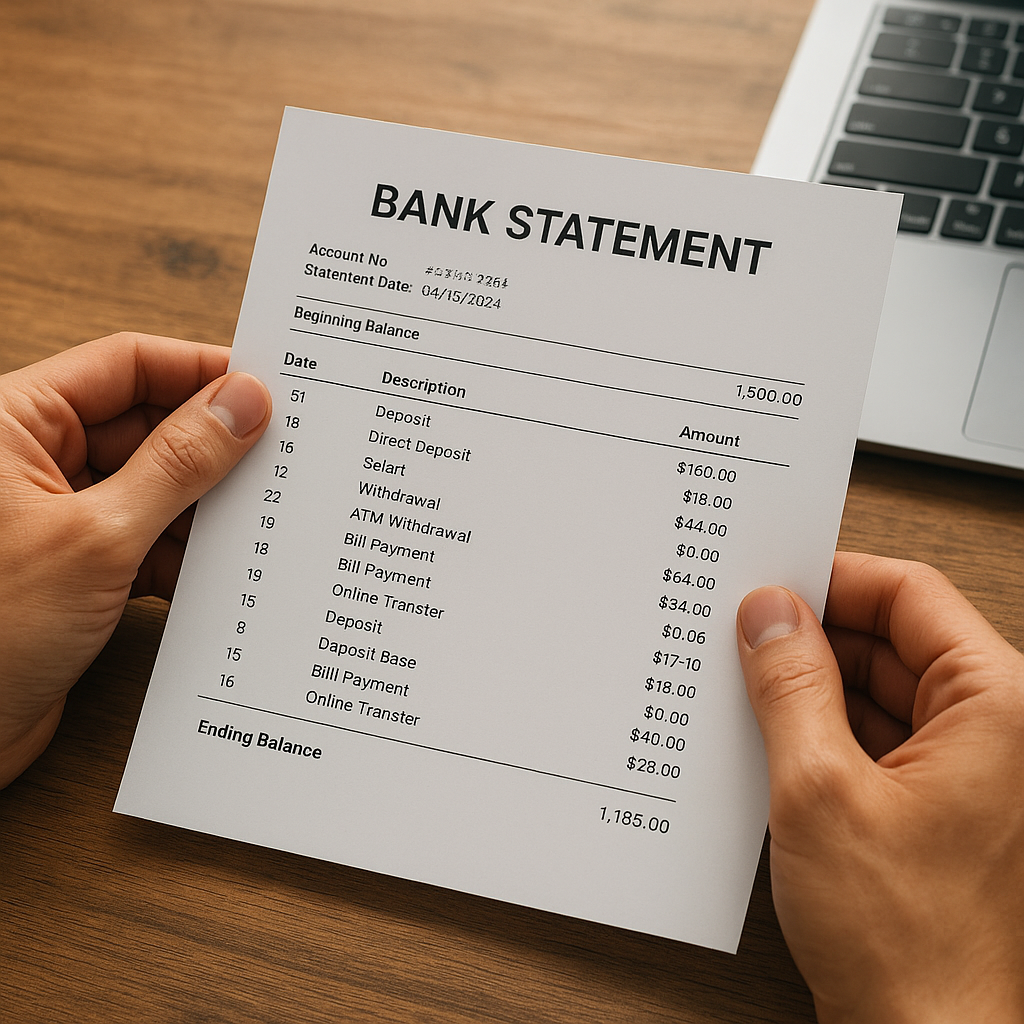
Securing a new place to live involves navigating a maze of paperwork, and one document stands out above the rest: the financial record. Landlords and property managers rely on these documents to verify financial stability before handing over keys. Understanding the mechanics behind this requirement saves applicants time and prevents awkward rejections.
Why Do Apartments Ask for Bank Statements
The rental market operates on risk management. Property owners want assurance that tenants can cover monthly rent without defaulting. Historically, securing housing meant showing pay stubs or getting a personal guarantor to sign a lease. Over the decades, the process shifted dramatically. As gig work expanded and traditional payrolls became fragmented, direct income verification grew unreliable. Financial records now provide a transparent snapshot of cash flow, revealing whether an applicant lives within their means. This evolution mirrors broader economic changes, where steady employment is no longer the sole indicator of reliability.
What Do Apartments Look for on Bank Statements
Property managers scan for specific markers rather than reading every transaction. They focus on recurring deposits, average balances, and spending habits that signal financial discipline. Sudden large withdrawals, frequent overdraft fees, or bounced payments raise immediate concerns. The goal is to identify consistancy in funding sources. A healthy account shows regular income matching or exceeding rent obligations, with enough reserves to handle unexpected expenses. Red flags usually involve irregular cash deposits, which can indicate undocumented income or unstable work arrangements.
| Indicator | Positive Sign | Warning Sign |
|---|---|---|
| Monthly Balance | Steady growth above rent amount | Frequent dips near zero |
| Deposits | Consistent payroll or direct transfers | Random cash injections |
| Outgoings | Regular bill payments | Multiple returned transaction fees |
Financial transparency has become the new standard for leasing, replacing older methods that relied heavily on personal references or face-to-face interviews.
How to Show Bank Statement for Apartment Approval
Presenting documentation correctly matters just as much as having strong finances. Most leasing offices prefer recent records, usually covering the last two to three months. Digital banking platforms allow applicants to download official PDFs directly from their online portals. These files contain verified watermarks and timestamps that confirm authenticity. Printing screenshots from a mobile app rarely works because they lack official formatting and can easily recieve scrutiny from automated screening tools. Applicants should redact sensitive information unrelated to income, such as account numbers or merchant details, while keeping transaction dates and amounts visible. This balance protects personal data while satisfying verification demands.
- Export official PDFs directly from banking portals
- Verify the document includes full name and account holder details
- Remove unnecessary personal data before submission
- Submit records within the requested timeframe
Dealing With an Apartment Asking for Bank Statements
The modern rental landscape demands quick, accurate verification. Screening companies now use automated tools to parse uploaded documents, flagging inconsistencies instantly. Applicants face tighter deadlines but benefit from streamlined digital submission portals. As leasing standards evolve, third-party verification services have emerged to bridge the gap between privacy concerns and landlord requirements. These platforms encrypt financial data and share only the necessary metrics, ensuring compliance with regional privacy regulations. For those navigating an apartment asking for bank statements, staying organized and using secure channels prevents delays and protects sensitive information.
Regional guidelines continue to shape documentation standards across the United States and European markets. Updated frameworks emphasize secure data handling and standardized reporting formats. Industry reports highlight a steady move toward encrypted verification networks that reduce manual review times while maintaining accuracy. Federal Trade Commission guidelines on rental applications outline best practices for data protection during the leasing process. Additionally, the European Foundation for Living Conditions 2026 report details shifting documentation preferences in high-density urban areas. Source: bbc.com