
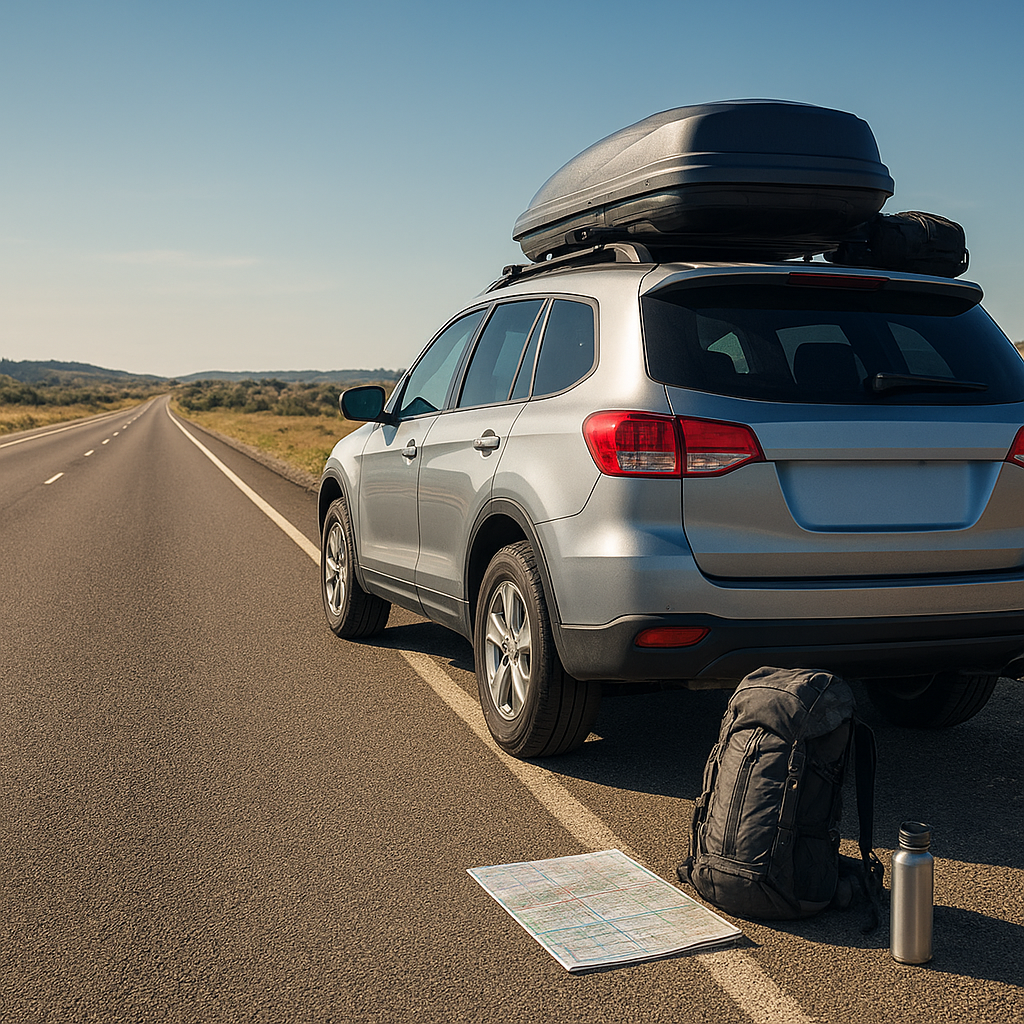
Planning an extended journey by automobile requires more than just filling the gas tank. The concept of mobile provisioning and wayfaring logistics has shifted dramatically over the last century. Early motorists navigated unpaved routes with mechanical intuition, paper maps, and rudimentary camping gear. Today, smart routing algorithms, electric vehicle infrastructure, and real-time traffic telemetry manage navigation and safety monitoring. Yet, the fundamental requirement for a successful journey remains unchanged: strategic preparation. Travelers must pack deliberately to handle unexpected delays, rapid weather shifts, and passenger fatigue. This breakdown examines how modern transit habits evolved from primitive auto-touring to highly optimized mobile living, highlighting the critical gear needed to maintain comfort and security from departure to arrival.
Core Road Trip Essentials for Every Driver
Every vehicle leaving a driveway should carry a baseline inventory of survival and convenience items. Modern highways present unique challenges, including sudden traffic bottlenecks, construction zones, and remote stretches with limited service stations. A well-organized kit addresses these variables efficiently. Key components include a first aid supply, reflective warning triangles, tire repair foam, and heavy-duty jumper cables. Digital navigation systems frequently lose signal in rural corridors, making a physical highway atlas a practical backup. Maintaining proper tire pressure and checking fluid levels before departure prevents mechanical breakdowns that derail schedules. Vehicle readiness directly impacts journey duration and stress levels.
Packing Strategy Breakdown
- Emergency medical supplies and basic trauma gear
- High-visibility vests and warning triangles
- Portable power banks and universal charging cables
- Multi-purpose tools and heavy-duty zip ties
Essentials for a Long Road Trip: Logistics and Planning
Extended travel demands structured preparation beyond the glovebox. Mapping out rest stops, fueling stations, and overnight accommodations reduces decision fatigue during transit. The logistics of covering hundreds of miles require attention to hydration, meal scheduling, and sleep cycles. Drivers who skip breaks experience slower reaction times and impaired judgment. Packing non-perishable snacks, reusable water bottles, and cooling towels supports sustained focus. The table below outlines a basic packing framework for multi-day journeys.
| Category | Recommended Items |
|---|---|
| Safety | Flashlight, reflective vest, emergency blanket |
| Comfort | Neck pillow, eye mask, light jacket |
| Navigation | Offline maps, printed route guide, compass |
Smart Car Ride Essentials for Passenger Comfort
Keeping everyone relaxed during transit prevents cabin friction. Modern vehicles feature advanced climate control, yet temperature fluctuations still occur when crossing mountain passes or coastal regions. Layered clothing adapts easily to shifting environments. Entertainment systems require pre-downloaded content since streaming services consume data and drain batteries. Charging hubs with multiple port types keep devices powered for music, podcasts, and communication. Entertainment variety maintains a positive atmosphere during extended stretches of asphalt.
Travel preparedness transforms a grueling commute into a manageable adventure. The difference between a smooth journey and a stranded vehicle often comes down to ten minutes of pre-departure checking.
Discovering the Best Things for Long Car Rides
Identifying high-utility gear separates seasoned travelers from casual weekend drivers. Compact coolers preserve fresh food without requiring frequent diner stops. Sunshades protect rear seats from overheating during midday stops. Ergonomic seat cushions reduce spinal strain when sitting for consecutive hours. Travel organizers keep receipts, passports, and toll passes within arm reach. The evolution from bulky trunks to streamlined packing solutions reflects a broader shift toward minimalist mobility. Drivers now prioritize weight distribution and space efficiency over excessive luggage. Travelers will definatly notice how proper organization changes the entire transit experience.
Optimizing Long Drive Essentials for Safety and Efficiency
Final preparations focus on risk mitigation and resource management. Checking weather forecasts along the route helps anticipate road closures or precipitation. Carrying a multi-tool, duct tape, and zip ties resolves minor interior or exterior issues without professional help. Documenting insurance details, roadside assistance numbers, and emergency contacts in a physical notebook ensures access when networks fail. Properly securing loose cargo prevents projectiles during sudden braking. Updated vehicle registration and inspection stickers avoid unnecessary fines at state borders. Reliable navigation tools and defensive driving habits remain the foundation of secure transit. Always remember to double-check that you recieve all necessary transit permits before crossing regional boundaries.
For comprehensive safety guidelines, visit official traffic safety resources or review regional travel advisories at European transit authorities.
Source: bbc.com