
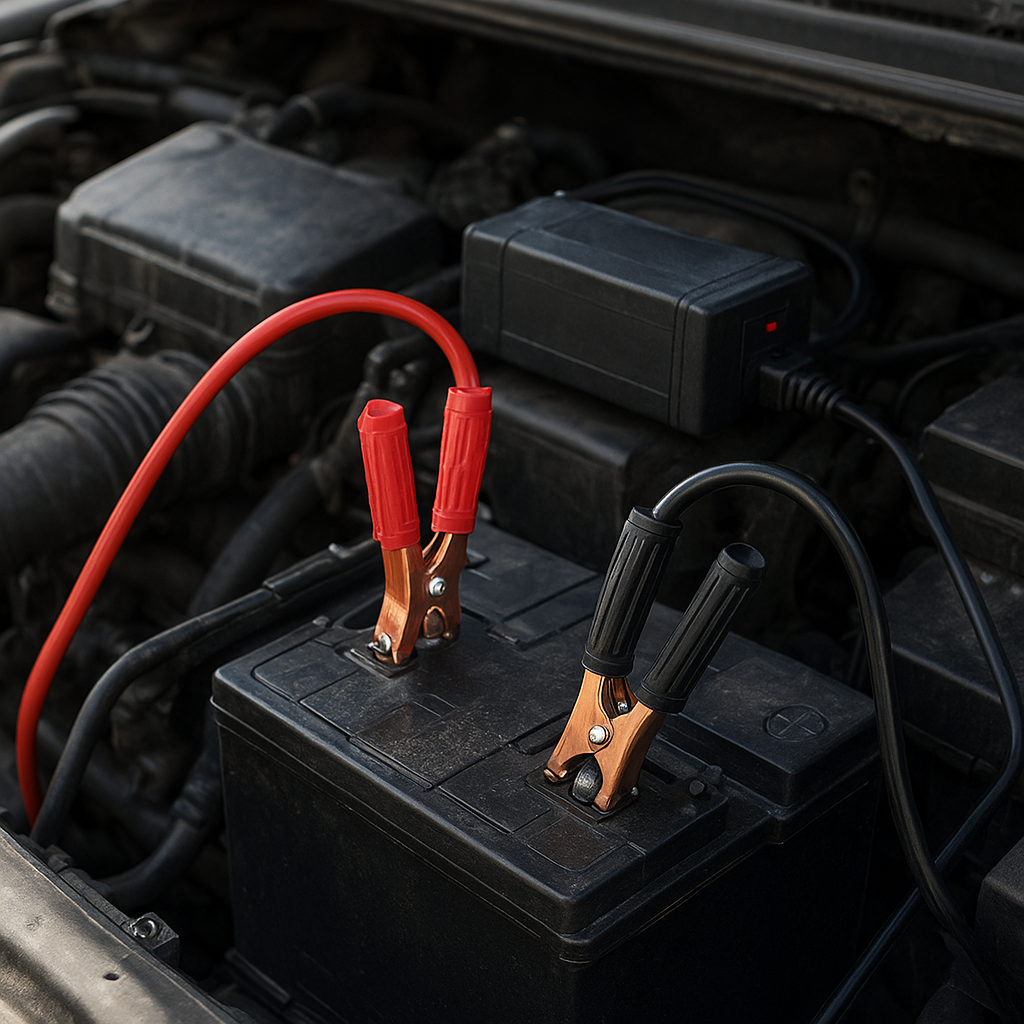
Every driver eventually faces a dead power unit, especially after long parking periods or during harsh winter months. The electrical system in modern automobiles relies heavily on a stable twelve-volt foundation. When that foundation weakens, the entire vehicle becomes immobile. Learning the correct procedure prevents permanent damage to internal cells and protects sensitive onboard electronics from voltage spikes.
Step-By-Step Instructions For How To Charge Your Car Battery
Automotive power storage requires careful handling. Incorrect hookups cause reverse current flow, which instantly fries fuses and damages control modules. The process demands preparation and strict adherence to polarity rules. Follow these proven steps:
- Inspect the casing for cracks, fluid leaks, or heavy corrosion on the terminals.
- Disconnect the negative cable first to prevent accidental grounding during setup.
- Attach the charger clamps to the corresponding positive and negative posts securely.
- Select the appropriate voltage and amperage setting based on the manufacturer rating.
- Power the device and monitor the initial readout for abnormal fluctuations.
Practical Answers: How Do I Charge My Car Battery When Stranded
Roadside scenarios demand portable solutions. Lithium-based jump starters deliver instant power without heavy lead-acid bulk. These compact devices store enough energy for multiple starts and include built-in protection circuits. Simply clamp the leads, press the boost button, and crank the engine. Once running, the alternator resumes normal replenishment duties. Carrying a compact unit in the trunk eliminates dependency on tow services during cold snaps or remote breakdowns.
Safety protocols exist for a reason. Always wear eye protection and work in well-ventilated areas to avoid exposure to hydrogen gas released during rapid replenishment cycles.
Essential Equipment Needed To Charge A Car Battery Correctly
Modern diagnostics rely on accurate readings rather than guesswork. A reliable digital multimter helps verify resting voltage before initiating any transfer. Smart chargers automatically adjust current delivery based on temperature sensors and internal resistance. Older manual units required constant supervision to prevent overheating or dry-out. Today, intelligent algorithms communicate directly with the vehicle management computer, optimizing flow rates without risking plate warping. For detailed schematics and regional compliance standards, review official safety guidelines from nhtsa.gov/equipment.
| Method | Avg Time | Risk Level | Best Use Case |
|---|---|---|---|
| Trickle Unit | 12-24 hrs | Low | Long-term storage |
| Smart Fast Charger | 4-8 hrs | Low | Weekly maintenance |
| Lithium Booster | Instant | Moderate | Emergency recovery |
| Alternator Driving | 20-40 min | High | Temporary restoration |
Common Mistakes To Avoid When You Learn How To Charge Battery
Overlooking ventilation during rapid replenishment causes dangerous gas buildup. Using a charger rated for heavy trucks on compact sedans forces excessive amperage, damaging internal structures. Another frequent error involves connecting clamps while the power source remains active, which sparks near volatile pockets. Always verify the voltage reading before initiating any transfer. If the output drops below ten volts, internal damage may already exist, requiring professional diagnostics. Consumer testing data from consumerreports.org/automotive confirms that improper amperage selection accelerates sulfatation by nearly sixty percent.
Evolution Of Automotive Electrical Storage
Decades ago, drivers manually topped off electrolyt levels with distilled water and used rudimentary trickle units that lacked automatic shutoff. The industry shifted dramatically toward maintenance-free designs with sealed casings and integrated venting systems. This transformation reduced average lifespan failures and eliminated most acid spills from routine servicing. Today, regenerative braking systems work alongside smart charging networks to maintain optimal states of health. Drivers who follow structured replenishment schedules notice fewer cold-start struggles and longer overall component life.
Regular inspection cycles prevent unexpected failures. Monitoring terminal tightness, checking for parasitic drain from infotainment systems, and verifying output during routine service visits keeps the network stable. For historical context and technical updates, reference: bbc.com/automotive.